
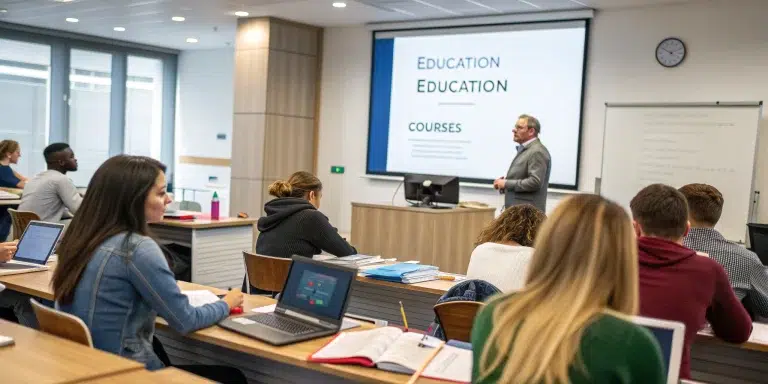
Understanding Academic Programs in Education: Courses and Careers
What are Education Programs?
Education programs are designed to prepare individuals for various roles within the educational sector. These programs focus on the developmental theories of learning, classroom management techniques, curriculum development, and educational leadership. By integrating theory with practice, students gain foundational skills to contribute effectively across multiple educational environments, such as schools, universities, and educational organizations.
Education programs encompass a broad range of specialized areas, including early childhood education, special education, educational psychology, and educational leadership, allowing students to tailor their studies to specific interests and career goals.
What Do You Study in Education Programs?
Education programs typically involve a blend of coursework, hands-on experiences, and practical applications. Below is a detailed breakdown of the subjects and components you will encounter in these programs.
Core Subjects
-
Educational Theory
This foundational course explores key theories underpinning learning and teaching processes, giving students insights into how learners acquire knowledge. -
Curriculum Development
Students learn how to design, implement, and assess curricula tailored for various educational settings. This course involves techniques for evaluating educational outcomes and necessary modifications. -
Classroom Management
Effective classroom management strategies are essential for fostering positive learning environments. This course provides tools for managing diverse student needs and creating inclusive classrooms. -
Assessment and Evaluation
Understanding how to evaluate educational outcomes and design assessment tools are critical components of education programs. This subject prepares students to assess student performance effectively. -
Educational Psychology
This course delves into theories of student development, motivation, and learning processes, helping educators understand their students better.
Elective Courses
-
Special Education
Focuses on teaching strategies for students with special needs. -
Technology in Education
Explores the use of technology in learning environments. -
Diversity and Inclusion
Discusses ways to create inclusive educational settings for diverse student populations.
Labs, Workshops, and Practicums
Many education programs emphasize experiential learning through:
- Practicum Experience: Students engage directly in educational settings, applying theoretical knowledge in real-world situations.
- Workshops: Hands-on workshops provide skill development in specific areas such as curriculum design, assessment techniques, and teaching methodologies.
- Research Projects: Opportunities to conduct research in educational fields, enhancing critical thinking and analytical skills.
Careers After Education Programs
Graduates of education programs are equipped for various roles within the educational system and related industries. Here are some key career opportunities:
Potential Job Titles
- Teacher or Instructor
- Education Program Coordinator
- Curriculum Specialist
- Instructional Designer
- Educational Administrator
- Educational Consultant
- School Principal or Vice Principal
- Higher Education Administrator
Industries and Sectors
Graduates can work in several sectors, such as:
- K-12 Schools
- Higher Education Institutions
- Educational Nonprofits
- Government Agencies
- Corporate Education and Training
- Educational Technology Companies
Average Salaries
The following are average salary estimations for education-related positions across different global regions:
- Teacher/Instructor: USD: $54,000 – $60,000, EUR: €45,000 – €55,000
- Education Program Coordinator: USD: $48,000 – $55,000, EUR: €40,000 – €50,000
- Curriculum Specialist: USD: $60,000 – $70,000, EUR: €50,000 – €62,000
- Educational Administrator: USD: $70,000 – $90,000, EUR: €60,000 – €75,000
- Instructional Designer: USD: $65,000 – $80,000, EUR: €55,000 – €70,000
Is Education Hard to Study?
Education programs present their own set of challenges, as students must balance theoretical coursework with practical experiences in educational settings. Some common challenges include:
- Workload Management: Juggling multiple assignments, projects, and practical experiences can be overwhelming.
- Diverse Learning Environments: Preparing to teach or manage in diverse educational settings requires adaptability and openness to different perspectives.
- Continual Professional Development: Education is an ever-evolving field that requires graduates to engage in lifelong learning in response to new research and technologies.
Required Skills
To successfully pursue a degree in education, students should develop:
- Strong Communication Skills: Necessary for teaching and collaborating with colleagues.
- Organizational Skills: Essential for managing coursework, lesson planning, and classroom activities.
- Critical Thinking: Important for evaluating educational practices and implementing effective teaching strategies.
- Empathy and Patience: Key traits for working with students of varying abilities and backgrounds.
Preparation Tips
- Seek Volunteer Opportunities: Gaining experience in educational settings can provide valuable insights and strengthen your resume.
- Engage in Professional Networks: Joining teaching forums or organizations can offer support and resources for aspiring educators.
- Stay Informed: Keeping abreast of the latest educational trends and technologies can enhance your academic and professional development.
Top Certifications After Education Program Graduation
Graduating from an education program often leads to the need for specific certifications or licenses, depending on the region and field of interest. Here are some key certifications typically required:
- Teaching License/Certification: Essential for teaching in public schools, which varies by state or country guidelines.
- National Board Certification: An advanced teaching credential that demonstrates professional excellence in the field of education.
- Special Education Certification: Required for educators working with students who have special needs.
- Educational Leadership Certification: For those aspiring to administrative roles or leadership positions in education.
Obtaining these certifications can significantly enhance career prospects and earning potential.
Where to Study Education Programs
Several renowned universities offer excellent education programs. Here are some options for prospective students to consider:
Take the Next Step with Study in Turkiye
Education programs equip future educators and leaders with critical skills that drive change and innovation in the educational landscape while fostering inclusive learning environments. If you have queries or need personalized guidance, reach out to Study in Turkiye for tailored assistance in navigating your academic journey.

