
Fashion Design Programs: Curriculum Insights & Careers
What is Fashion Design?
Fashion Design is a creative and technical discipline that focuses on the design, creation, and promotion of clothing and accessories. It encompasses various aspects, including the artistic expression of design and the practical elements of garment construction. Fashion Designers can specialize in different areas, such as womenswear, menswear, children’s wear, costumes, or accessories. The field is characterized by both artistry and functionality, requiring an understanding of fabric, color, patterns, and trends.
What Do You Study in Fashion Design?
Fashion Design programs typically include a well-rounded curriculum that covers both theoretical knowledge and practical skills.
Core Curriculum Components:
- Design Principles & Foundations: Foundational coursework includes studies in drawing, fashion communication, technical pattern drafting, draping, and construction. These subjects provide students with essential skills in creativity and technical garment production, crucial for any aspiring designer.
- Critical and Cultural Theory: Programs often incorporate critical and cultural theory, encouraging students to understand the broader context and impact of fashion on society, including issues of identity, gender, and socio-cultural influences.
- 2D, 3D, and 4D Design Processes: Courses involve 2D (sketching and patternmaking), 3D (construction and draping), and 4D (e.g., fashion show and digital presentation) design practices. This reflects industry-standard workflows and the integration of contemporary technologies.
- Digital and Technological Literacy: Students develop valuable skills in digital fashion and textile design, utilizing software for patternmaking and gaining familiarity with emerging technologies relevant to contemporary fashion.
- Business and Professional Practice: Subjects such as “The Business of Fashion” and “Fashion Promotion & Exhibition” prepare students for the commercial side of the industry, encompassing marketing, merchandising, and entrepreneurship.
Elective Specializations:
Students can customize their pathways by choosing electives in areas such as:
- Advanced Craft and Fiber Manipulation
- Digital Design and Development
- Sustainability in Fashion
- Knitwear Design
- Fashion Collaboration projects
Experiential Learning:
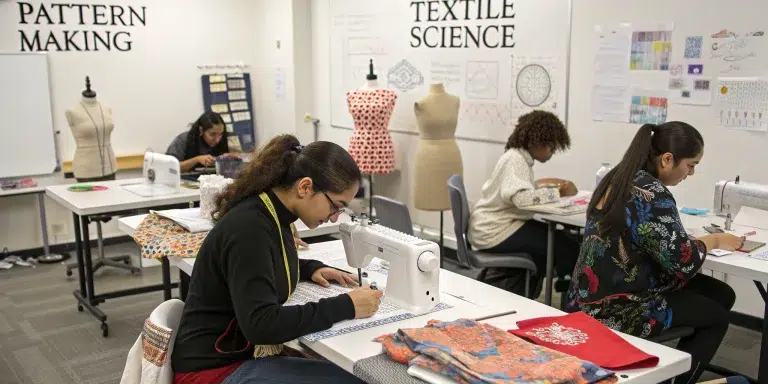
Hands-on studio practice and collaborative projects are integral to the curriculum. Opportunities for internships and industry engagement are emphasized, allowing students to apply their skills in real-world settings. This experiential learning nurtures craftsmanship and experimentation, helping students author their own design philosophies.
Careers After Fashion Design
Graduates of Fashion Design programs are well-prepared to pursue a variety of careers in the fashion industry. They possess the creative vision, technical proficiency, and professional knowledge necessary to succeed in numerous roles.
Potential Job Titles:
- Fashion Designer (womenswear, menswear, children’s wear, accessories)
- Patternmaker or Technical Designer
- Fashion Illustrator
- Textile Designer
- Fashion Merchandiser or Buyer
- Costume Designer for film/theater
- Fashion Entrepreneur
- Product Developer
- Fashion Marketing and Promotion Specialist
Average Salaries Globally:
- Fashion Designer: $50,000 – $100,000 (USD) | €45,000 – €90,000 (EUR)
- Patternmaker: $40,000 – $80,000 (USD) | €36,000 – €72,000 (EUR)
- Fashion Illustrator: $30,000 – $70,000 (USD) | €27,000 – €63,000 (EUR)
- Textile Designer: $40,000 – $85,000 (USD) | €36,000 – €76,000 (EUR)
- Costume Designer: $45,000 – $90,000 (USD) | €40,000 – €81,000 (EUR)
Salaries depend greatly on factors such as experience, location, and the particular sector of employment.
Is Fashion Design Hard to Study?
Pursuing a degree in Fashion Design can be challenging but rewarding. Students must develop a wide range of abilities, from technical skills in garment construction to creativity in fashion design.
Common Challenges:
- Time Management: Balancing projects, deadlines, and coursework can be demanding.
- Conceptual Development: Developing a unique design concept is often a creative hurdle.
- Technical Skills: Mastering sewing, patternmaking, and digital design software requires practice and patience.
Required Skills:
- Strong artistic and creative abilities
- Proficiency in sewing and garment construction
- Familiarity with design software (like Adobe Illustrator and Photoshop)
- Understanding of fabric and texture properties
Preparation Tips:
- Work on personal design projects to build a portfolio.
- Seek internships or volunteer opportunities in fashion.
- Attend workshops or online courses to enhance your technical skills.
Top Certifications After Fashion Design Graduation
While a degree in Fashion Design provides a solid foundation, pursuing additional certifications can enhance your employability and expertise. Here are some essential qualifications to consider:
- Certified Fashion Designer (CFD): Recognizes professional design capabilities.
- Fashion Marketing Certifications: Focus on marketing strategies in fashion.
- Sustainable Fashion Certifications: Emphasize eco-friendly practices.
- Technical Design Certification: Specializes in pattern making and garment fitting.
- Fashion Merchandising Certification: Preparation for roles in retail and product management.
Where to Study Fashion Design
If you are considering pursuing a degree in Fashion Design, several reputable universities offer strong programs:
Conclusion
Fashion Design programs are structured to equip students with a robust and versatile skill set necessary for various roles in the dynamic fashion industry. By understanding the curriculum, career outcomes, challenges, and certifications, students can make informed decisions to embark on their Fashion Design journey.
Take the Next Step with Study in Turkiye
For personalized help, reach out to SIT Search, and let us assist you in finding the right academic program to fit your aspirations in Fashion Design and more.

