
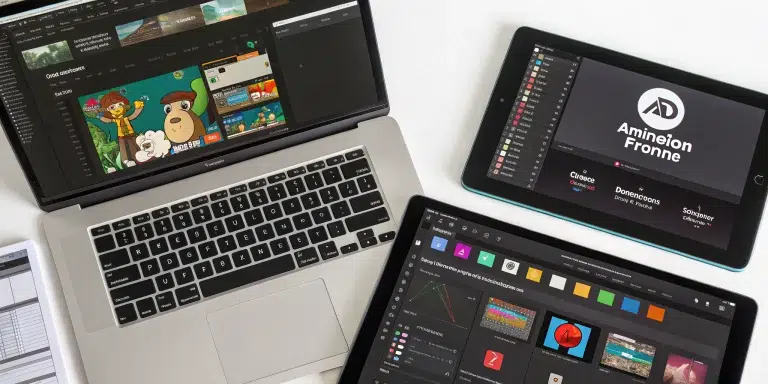
Overview of Animation Programs
What is Animation?
Animation is a dynamic field that involves creating visual images or sequences in motion. This can range from traditional hand-drawn techniques to cutting-edge computer-generated imagery (CGI). Students pursuing a degree in animation learn to craft narratives and bring characters and scenes to life, which can be utilized in film, television, video games, web content, and more. Whether students are driven by an enduring passion for storytelling or a love of technology, animation programs provide a comprehensive education that prepares them for various roles in this exciting industry.
What Do You Study in Animation?
The curriculum for an animation program generally encompasses a variety of core subjects and elective courses designed to cultivate both creative and technical competencies. Below are key components of what students typically study throughout their program.
Core Subjects
- Fundamental Animation Skills
- Courses such as “Introduction to Animation” introduce students to the basic concepts and history of animation, covering essential techniques and terminologies.
- Technical Proficiency
- Students are trained in industry-relevant software and hardware, including:
- Animation software: After Effects, Maya, Blender
- 2D software: Adobe Animate, Flash
- 3D modeling suites for creating complex animations
- Students are trained in industry-relevant software and hardware, including:
- Storytelling and Screenwriting
- Emphasis is placed on narrative construction through classes in scriptwriting, storyboarding, and character development to effectively convey stories across various media formats.
- Specializations
- Students may choose to specialize in areas such as:
- 2D Animation
- 3D Animation
- Visual Effects (VFX)
- Motion Graphics
- Character Animation
- Students may choose to specialize in areas such as:
- Collaboration and Professional Practice
- Many programs offer real-world experience through co-op placements, encouraging collaborative projects that foster teamwork skills and prepare students for industry demands.
Labs, Workshops, and Internships
Hands-on experience is a pivotal aspect of animation education. Students often participate in workshops, studios, and labs where they gain practical skills. Internships are also an integral part of the curriculum, allowing students to apply their knowledge in real-world settings, network with professionals, and build a strong portfolio.
Sample Curriculum Progression
- First Year:
- Introduction to Animation
- Drawing Fundamentals
- Digital Tools for Animation
- Second Year:
- Animation History
- Character Design
- 2D Animation Techniques
- Upper-Level Courses:
- Advanced Animation Techniques
- Portfolio Development
- Senior Project/Thesis
Careers After Animation
Graduates of animation programs have diverse career options across various industries, including film, television, advertising, and video game development. Below are some potential career paths:
Job Titles
- Animator (2D/3D)
- Character Designer
- Visual Effects Artist
- Storyboard Artist
- Game Artist or Designer
- Animation Production Coordinator
- Digital Media Specialist
Average Salaries
Salaries for animation professionals can vary based on experience, location, and the specific industry. Below is an overview of average salaries:
- Animator:
- US: $56,000 – $85,000
- EU: €45,000 – €70,000
- Visual Effects Artist:
- US: $55,000 – $95,000
- EU: €43,000 – €75,000
- Game Artist:
- US: $60,000 – $100,000
- EU: €50,000 – €80,000
Is Animation Hard to Study?
Like all creative fields, animation presents its own set of challenges. Students often face deadlines, the need for meticulous attention to detail, and a steep learning curve associated with mastering software tools.
Common Challenges
- Time Management: Balancing creativity and deadlines can be stressful.
- Technical Skills: Advancing in technical knowledge can be demanding, requiring consistent practice and learning.
- Feedback Acceptance: Receiving critiques from peers and instructors is essential for growth but can be challenging emotionally.
Required Skills
- Strong artistic ability and creativity
- Proficiency in specialized software
- Experience in storytelling and scriptwriting
- Collaboration and communication skills
Preparation Tips
- Practice regularly with arbitrary software and animation techniques.
- Build a diverse portfolio that showcases a variety of styles and skills.
- Engage in group projects or online forums to gain feedback and insights from peers.
Top Certifications After Animation Graduation
Certain certifications can enhance employment opportunities in the animation industry and showcase professional skills. These may include:
- Adobe Certified Associate (ACA) in Visual Design
- Autodesk Certified Professional in Maya or 3ds Max
- Unity Certified Associate for Game Development
- Walt Disney Animation Studios Workshops
- Animation Guild Membership (for an official network and resources)
Where to Study Animation
If you are interested in pursuing a degree in animation, consider the following top universities that offer comprehensive programs:
These institutions provide state-of-the-art facilities, experienced faculty, and connections to industry professionals, ensuring a well-rounded education in animation.
Animation programs combine artistic training with technical expertise and professional experience, offering graduates a versatile foundation to pursue dynamic careers in a rapidly evolving digital media landscape.
Take the Next Step with Study in Turkiye
For personalized assistance in selecting the right animation program for your academic and professional goals, reach out to Study in Turkiye today!

