
Electrical Engineering Degrees: Courses & Careers
What is Electrical Engineering? |
Core Subjects |
Elective Courses |
Careers After Graduation |
Top Certifications |
Where to Study |
FAQs
Overview of the Program
Electrical engineering is a dynamic and constantly evolving discipline that focuses on the study, design, and application of equipment, devices, and systems that use electricity, electronics, and electromagnetism. It merges theoretical principles with practical applications, equipping students with the necessary skills to tackle real-world electrical challenges. This program is ideal for students who are analytical thinkers, enjoy problem-solving, and have an interest in technology and innovation.
What is Electrical Engineering?
Electrical engineering is one of the broadest engineering disciplines. It encompasses a variety of subfields, including power systems, control systems, electronics, telecommunications, and signal processing. Electrical engineers design and develop electrical equipment, oversee installation and operation, and conduct research to improve technology. Their expertise is crucial in numerous industries ranging from energy and telecommunications to healthcare and automotive.
What Do You Study in Electrical Engineering?
Core Subjects
- Fundamental Courses: At the foundational level, students typically study electrical circuitry, electronic systems, engineering mathematics, and introductory physics. Emphasis is placed on mastering concepts that serve as the building blocks for more advanced studies.
- Advanced Topics:
- Electrical Circuit Analysis: Understanding the principles of complex electrical circuits.
- Electric Networks: Design and implementation of various electrical networks.
- Signals and Systems: Analysis of signals and their behavior within systems.
- Control Systems: The design and analysis of systems that manage and regulate behaviors.
- Power Systems: Study and management of electrical power generation, transmission, and distribution.
Elective Courses
- Renewable Energy Systems: Focusing on solar, wind, and other renewable energy sources.
- Wireless Communication: Exploring the latest in communication technology.
- Robotics and Automation: Understanding the principles of robotics and industrial automation.
- Microcontrollers and Embedded Systems: Learning about programming and interfacing embedded systems.
Labs, Workshops, and Internships
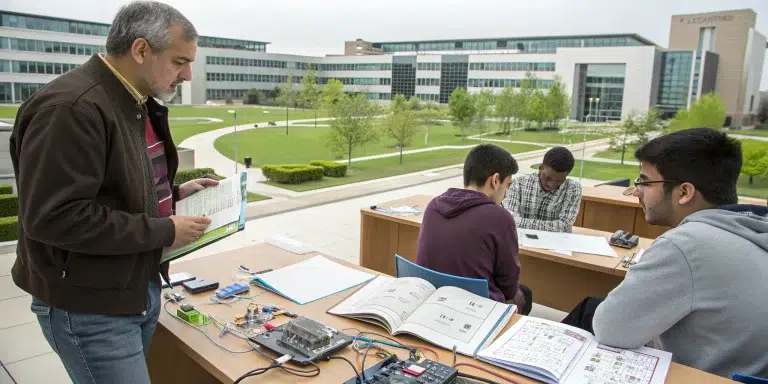
Hands-on training is a critical component of electrical engineering education. Typical experiences include:
- Laboratories: Conducting experiments on electrical circuits, signal processing, and control systems.
- Workshops: Practical sessions focused on circuit design, PCB layout, and troubleshooting.
- Internships: Many programs require or encourage students to participate in internships, providing valuable industry exposure.
Careers After Electrical Engineering
Graduates of electrical engineering programs have access to a range of career opportunities across various sectors. Common job titles include:
- Electrical Engineer: Designing and testing electrical systems and components.
- Electronics Engineer: Developing electronic circuits and devices.
- Control Systems Engineer: Specializing in the design and management of control systems in various industries.
- Field Technician: Supporting the installation and maintenance of electrical systems.
- Power Systems Engineer: Focusing on the generation and distribution of electric power.
- Telecommunications Engineer: Working with communication technologies and networks.
Salary Expectations
Salaries for electrical engineers can vary by location, experience, and sector:
- United States: Electrical engineers earn between $70,000 – $120,000 per year.
- Europe: Salaries range from €50,000 – €90,000 per year depending on the country and experience level.
- Turkiye: Average salaries for electrical engineers are around TRY 60,000 – TRY 120,000 annually.
Top Certifications After Electrical Engineering Graduation
While a degree in electrical engineering opens numerous doors, certain certifications can enhance job prospects and professional credibility:
- Professional Engineer (PE): Required for advanced engineering roles, the PE license requires passing an exam and meeting work experience criteria.
- Control Systems Technician (CST): A certification that demonstrates expertise in control systems.
- Certified Automation Professional (CAP): For those focusing on automation and control systems.
Where to Study Electrical Engineering
There are several reputable universities offering electrical engineering programs. Here are some top private universities to consider:
Studying electrical engineering at these reputable institutions can provide a solid foundation for a successful career.
Frequently Asked Questions
Is Electrical Engineering hard to study?
Electrical engineering is often perceived as a challenging field of study due to its rigorous curriculum and requirement for strong analytical skills. Students may face challenges with complex mathematics, abstract concepts, and project work.
What subjects are essential for aspiring Electrical Engineers?
A solid grasp of advanced mathematics and physics is essential, as these subjects underpin many engineering principles. Students should focus on calculus and differential equations.
Take the Next Step with Study in Turkiye
If you’re interested in pursuing a degree in electrical engineering or need personalized guidance, reach out to Study in Turkiye for comprehensive support in navigating your academic decisions.

