
Culinary Arts Programs: What to Expect
What Do You Study in Culinary Arts? |
Typical Program Structure |
Practical Experience |
Careers After Culinary Arts |
Is Culinary Arts Hard to Study? |
Top Certifications After Culinary Arts Graduation |
Where to Study Culinary Arts
What is Culinary Arts?
Culinary Arts encompasses the art and science of preparing and presenting food. Programs in this field provide the necessary skills and knowledge to thrive in a dynamic, fast-paced environment. Students delve into various aspects of food preparation, including nutrition, ingredients, and culinary techniques that are essential for creating diverse dishes.
What Do You Study in Culinary Arts?
Students enrolled in Culinary Arts programs cover a comprehensive curriculum designed to equip them with the essential culinary skills needed for industry success.
Core Culinary Skills
Students learn to prepare, cook, and present a variety of dishes, encompassing both classic and contemporary culinary techniques, global cuisines, and menu creation. This foundation is critical for aspiring chefs and cooks.
Food Safety
Programs place a strong emphasis on safe food handling, sanitation, and compliance with industry standards. Understanding food safety is essential in preventing foodborne illnesses and maintaining a safe kitchen environment.
Baking and Pastry
Many curricula include baking skills and pastry arts as integral components of the training. Students often learn techniques for creating various breads, pastries, and desserts.
Kitchen & Restaurant Management
Coursework frequently covers kitchen supervision, restaurant operations, and hospitality management, equipping students for leadership roles in food service settings. This knowledge is fundamental for those aspiring to manage their own restaurant or cafe.
Communication & Professionalism
Effective oral and written communication skills are emphasized throughout the program. Students are trained in ethical behavior and collaboration, which are vital for a successful career in the culinary field.
Specializations
Some programs allow students to focus on specific areas, such as plant-based cooking, international cuisines, or advanced pastry skills, enabling them to develop specialized expertise.
Typical Program Structure
| Program Type | Duration | Key Focus Areas |
|---|---|---|
| Certificate/Diploma | 6-12 months | Basic cooking skills, foundations, quick entry |
| Associate Degree | 2 years | Comprehensive culinary techniques, management |
| Bachelor’s Degree | 4 years | Advanced skills, business/management, entrepreneurship |
| Specialized Certificates | Varies | Pastry, international cuisine, plant-based cooking |
Practical Experience
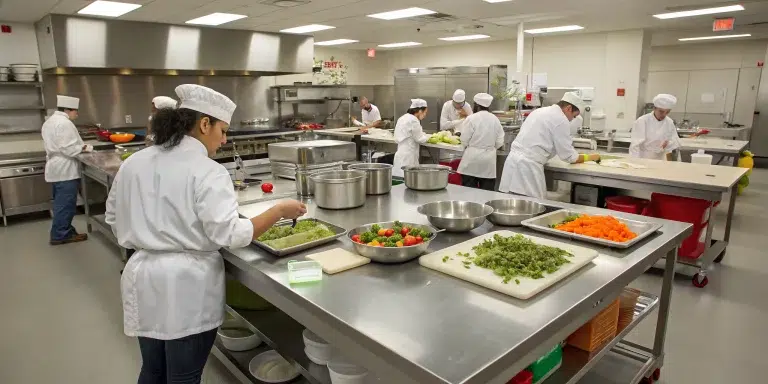
Most Culinary Arts programs are structured around extensive hands-on learning opportunities in kitchen labs or modern culinary facilities. Many degrees, especially at the associate and bachelor levels, typically include an internship component, providing students with real-world industry experience essential for their career preparedness.
Careers After Culinary Arts
Graduates of Culinary Arts programs have numerous career opportunities within the food service and hospitality sectors, including:
- Line Cook or Prep Cook
- Baker or Pastry Chef
- Kitchen or Restaurant Manager
- Caterer or Culinary Manager
- Executive Chef, Sous Chef, or Head Chef
- Entrepreneur/Restaurant Owner (typically supported by advanced degrees)
- Specialized roles in food safety, menu planning, or food service education
Salary Overview
The financial prospects for culinary graduates can vary widely based on experience, skill level, and location. Below are average salaries for various culinary positions:
- Line Cook: $26,000 – $40,000 USD / €22,000 – €35,000 EUR
- Sous Chef: $35,000 – $55,000 USD / €30,000 – €47,000 EUR
- Executive Chef: $50,000 – $90,000 USD / €42,000 – €76,000 EUR
- Catering Manager: $45,000 – $75,000 USD / €38,000 – €64,000 EUR
Is Culinary Arts Hard to Study?
Studying Culinary Arts can be challenging, particularly due to the demanding nature of the work environment, extensive hands-on training, and the necessity for creativity and precision. Common challenges include:
- High Pressure: Working in a kitchen during service hours can be intense, requiring students to perform under pressure and manage time efficiently.
- Steep Learning Curve: Mastering cooking techniques and culinary science takes dedication and practice.
- Physical Demands: The role often involves long hours on your feet, requiring stamina and physical fitness.
Required Skills
To succeed in Culinary Arts, students should possess a combination of the following skills:
- Strong communication and teamwork abilities
- Creativity and a passion for cooking
- Attention to detail and organizational skills
- An eagerness to learn and adapt to new techniques
Preparation Tips
- Practice at Home: Experimenting with recipes and cooking techniques outside of class can build confidence and skill.
- Stay Organized: Keeping a clean and organized workspace is crucial in culinary environments.
- Engage with Peers: Collaborative learning through group work can provide valuable insights and support.
Top Certifications After Culinary Arts Graduation
Upon graduation, obtaining additional certifications can enhance career prospects. Important certifications and licenses in the culinary field include:
- ServSafe Certification: Essential for ensuring food safety and sanitation in food service operations.
- American Culinary Federation (ACF) Certification: Various levels of certification are available through ACF, showing proficiency in culinary skills.
- Certified Dietary Manager (CDM): This certification is essential for those interested in managing food service operations in healthcare settings.
- Specialty Certifications: Obtaining certifications in specific areas such as pastry arts or nutrition can further distinguish graduates in the employability landscape.
Where to Study Culinary Arts
For students interested in pursuing a Culinary Arts program, several esteemed institutions in Turkiye offer these specialized courses:
Take the Next Step with Study in Turkiye
Explore further and find the perfect program for your culinary aspirations. Reach out to Study in Turkiye for guidance tailored to your academic journey.

