
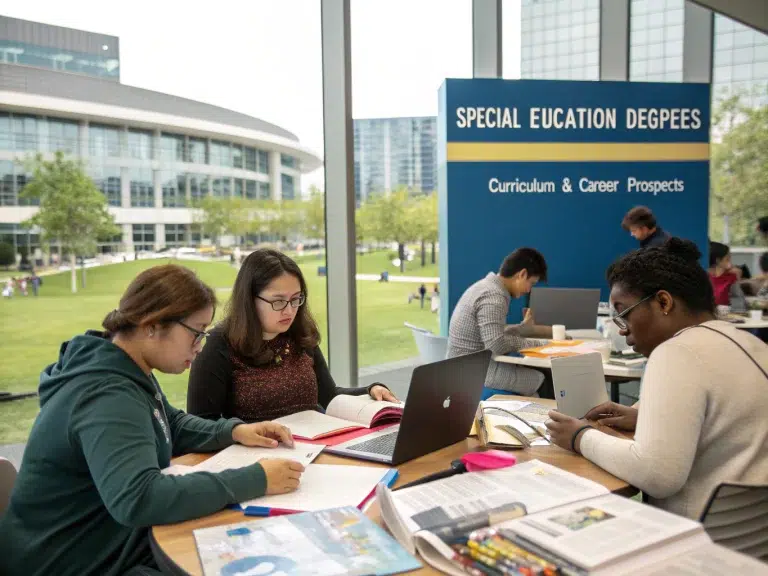
Special Education Degrees: Curriculum & Career Prospects
Quick Navigation
Program Overview
Special Education degree programs are designed for individuals passionate about making a difference in the lives of students with disabilities. These programs provide the essential theoretical foundations, practical strategies, and real-world experiences required to effectively support diverse learners in both inclusive and specialized educational settings. They prepare future educators to adapt their teaching methodologies to accommodate a wide range of needs, ensuring that every child has the opportunity to thrive academically and socially.
What is Special Education?
Special Education focuses on addressing the needs of learners with varying degrees of disabilities, ensuring they receive a tailored education that fosters inclusion and personal growth. This field encompasses teaching strategies, legal considerations, and psychological principles that guide professionals in their practice. Special educators are trained to create supportive learning environments, develop individualized education plans (IEPs), and utilize resources effectively to aid students’ learning processes.
What Do You Study in Special Education?
Core Subjects
- Foundations of Special Education: This course covers the historical, philosophical, and legal principles surrounding special education, including the evolution of policies that shape current practices.
- Understanding Exceptional Learners: Students explore various disabilities, their impacts on learning, and the unique challenges faced by these individuals in traditional educational settings.
- Instructional Techniques: Emphasizes evidence-based teaching strategies tailored to accommodate differing learning styles and disabilities, ensuring inclusive education practices.
- Assessment and Evaluation: Focuses on the assessment processes relevant to exceptional learners, including how to administer, interpret, and utilize assessments to enhance educational outcomes.
- Behavioral Management: This subject offers strategies for managing classroom behaviors effectively, including the development of individualized behavioral plans.
- Supporting Diverse Learners: Discusses methods for fostering inclusive classrooms, promoting social-emotional learning, and addressing the diverse needs of students from varying backgrounds.
- Field Experiences and Student Teaching: Students engage in teaching placements in real classroom settings, allowing them to apply their theoretical knowledge and develop practical skills under supervision.
- Professional Skills: Instills essential skills like communication, teamwork, and critical thinking, while integrating technology into the educational experience.
Elective Courses
Students may also choose electives that delve deeper into specific areas such as Autism Spectrum Disorder, Learning Disabilities, or Advocacy in Special Education, providing opportunities to tailor their education towards personal interests and career goals.
Labs, Workshops, and Internships
- Workshops: Hands-on workshops may be conducted to practice skills related to adaptive technologies and instructional planning.
- Internships: Students often complete internships in various educational settings, collaborating with mentor teachers to gain hands-on experience.
Careers After Special Education
Graduates with a degree in Special Education have numerous career options ahead of them. Possible job titles include:
- Special Education Teacher
- Inclusion Specialist
- Behavioral Interventionist
- Instructional Aide/Paraprofessional
- Transition Specialist
- Education Consultant/Advocate
Industries and Sectors
Special education professionals typically find employment in:
- Public and private schools
- Non-profit organizations
- Community service agencies
- Rehabilitation facilities
- Educational consultancy firms
Average Salaries
Graduates can expect varying salary ranges depending on experience, location, and job title. Below are average global salary figures for specific roles:
- Special Education Teacher: USD: $50,000 – $75,000, EUR: €45,000 – €68,000
- Inclusion Specialist: USD: $55,000 – $80,000, EUR: €48,000 – €70,000
- Behavioral Interventionist: USD: $30,000 – $50,000, EUR: €26,000 – €44,000
- Instructional Aide: USD: $25,000 – $35,000, EUR: €22,000 – €31,000
- Transition Specialist: USD: $40,000 – $60,000, EUR: €36,000 – €54,000
These salaries can fluctuate based on regional demand and funding for education, making local job market trends important for graduates to consider.
Preparation Tips
Students often wonder about the challenges associated with studying Special Education. The curriculum can be rigorous, requiring a deep understanding of both educational theories and the specific needs of students with disabilities. Common challenges include:
- Emotional Resilience: Working with students who have severe disabilities can be emotionally taxing. Students need to cultivate resilience and empathy to engage effectively.
- Understanding Legislation: Familiarity with legal mandates regarding special education can be complex, necessitating thorough study.
- Adapting Techniques: Developing the ability to adapt teaching strategies dynamically is crucial, which can require innovative thinking and flexibility.
Required Skills
To succeed in Special Education, aspirants should possess:
- Strong communication skills
- Patience and adaptability
- Empathy and understanding of diverse backgrounds
- Problem-solving abilities
- Collaboration skills for working with other educators and families
Top Certifications After Special Education Graduation
Obtaining certain certifications can enhance employability and professional development. Key certifications include:
- State Teacher Certification: Required in many regions to work as a special education teacher.
- Board Certified Behavior Analyst (BCBA): For professionals focusing on behavioral interventions.
- Nationally Certified Special Education Teacher (NCSET): This designation affirms expertise in the field beyond state requirements.
Continuous professional development through workshops and additional certifications is vital in maintaining licensure and keeping current with best practices.
Where to Study Special Education
Students interested in pursuing a degree in Special Education can find reputable programs in various institutions. Consider the following universities:
Each institution offers unique strengths and perspectives on special education, allowing students to choose a program that aligns with their career goals.
Take the Next Step with Study in Turkiye
Are you ready to explore your opportunities in Special Education? Discover the programs that will help you make a meaningful difference in the lives of students with disabilities. Take the next step in your educational journey!

