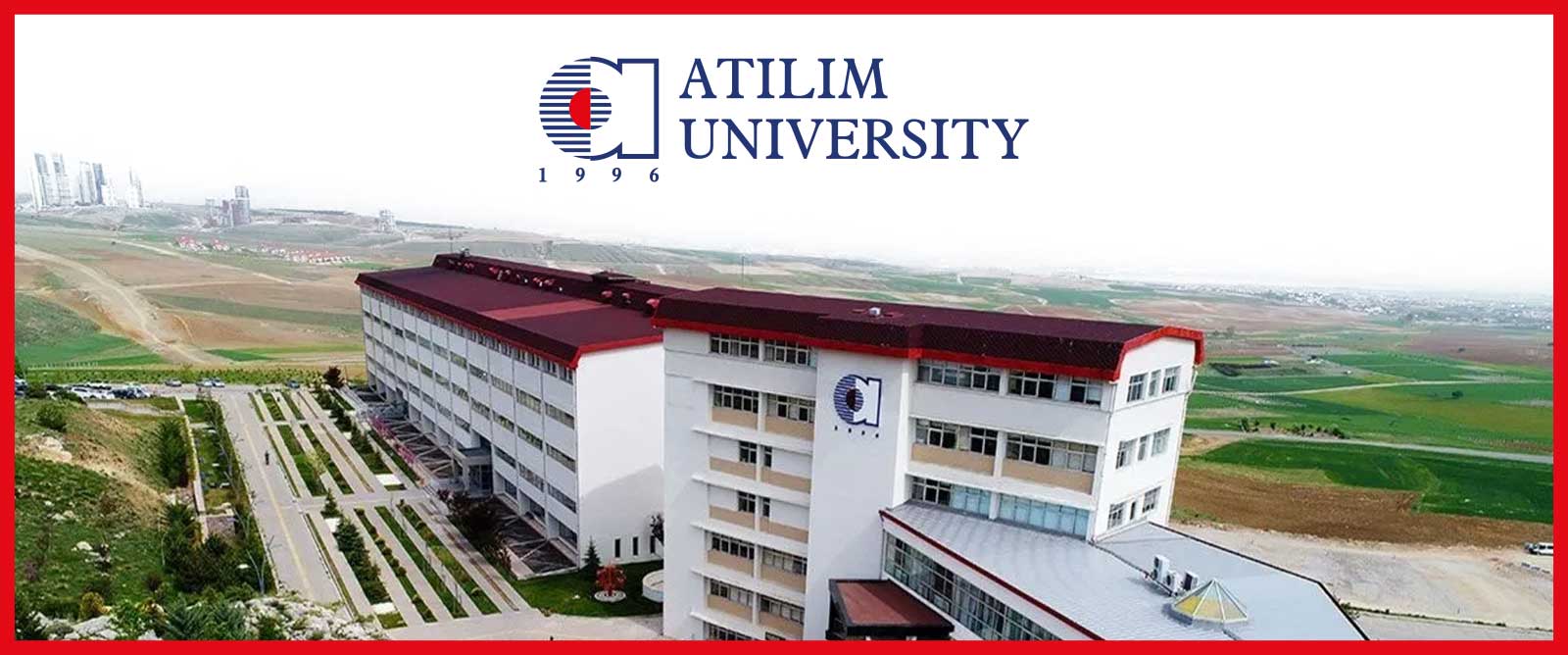
The Bachelor of Aerospace Engineering is a four year undergraduate program designed to educate highly skilled engineers capable of designing, analyzing, testing, and manufacturing aircraft, spacecraft, unmanned aerial vehicles, and advanced propulsion systems. Offered at leading technical universities in Turkey and accredited by YÖK, the program responds to the country’s rapidly expanding aerospace and defense industry and its strategic investments in aviation, satellite systems, and space technologies.
The curriculum provides a strong foundation in mathematics, physics, and core engineering sciences during the first years. Students complete intensive courses in calculus, differential equations, linear algebra, physics, thermodynamics, fluid mechanics, materials science, and computer programming. These foundational subjects prepare students for advanced aerospace specific coursework.
In the later years, students specialize in key areas such as aerodynamics, aircraft structures, flight mechanics, propulsion systems, gas dynamics, control systems, aerospace materials, composite structures, avionics, space mechanics, rocket propulsion, and satellite systems. They learn to analyze airflow around wings and fuselages, calculate structural loads, design lightweight airframes, evaluate engine performance, and model flight stability and control. Courses are supported by laboratory experiments, wind tunnel testing, computational fluid dynamics simulations, and design projects.
A major component of the program involves hands on design and analysis using engineering software such as MATLAB, ANSYS, CATIA, SolidWorks, and other aerospace simulation tools. Students work on aircraft design projects, UAV development, rocket modeling, and satellite mission concepts. Many programs include capstone projects in collaboration with industry partners, where students develop prototype systems or solve real engineering challenges.
Internship opportunities are typically available in leading aerospace and defense organizations, aviation maintenance companies, research centers, and manufacturing facilities. In Turkey, the aerospace sector includes aircraft manufacturing, defense technologies, drone production, and satellite development, creating strong demand for qualified aerospace engineers.
Graduates of the Bachelor of Aerospace Engineering pursue careers as design engineers, aerodynamics engineers, propulsion engineers, structural analysis engineers, flight test engineers, systems engineers, and research engineers. They work in aircraft and UAV manufacturing companies, defense industry firms, space technology organizations, airline maintenance divisions, and engineering consulting firms. Some graduates continue to master’s and doctoral programs in aerospace engineering, mechanical engineering, or space sciences.
The field carries high professional prestige because aerospace engineers contribute to national defense, advanced transportation systems, and space exploration. Career progression depends on technical expertise, project experience, and specialization, but the discipline offers strong long term opportunities in both public and private sectors.
In summary, the Bachelor of Aerospace Engineering provides a rigorous, technology intensive, and future oriented education that prepares graduates to design and develop advanced air and space systems and contribute to innovation in one of the most strategic engineering sectors worldwide.